Learn what a microscope bear is, how it supports STEM learning, how it compares with standard microscopes, and how to choose the right one.

A microscope bear is a child-friendly optical tool that combines a playful bear shape with basic magnification. It gives young learners a simple way to explore textures, leaves, coins, and fabric details.
It is not a lab-grade instrument. It is designed for hands-on curiosity, short attention spans, and safer first steps into observation.
For parents, that tradeoff matters. A child who enjoys using the tool will usually learn more than one who avoids a complex device.
What Is a Microscope Bear?
A microscope bear is a bear-themed magnifier made for children. It turns simple observation into a playful STEM activity.
Its rounded body, large controls, and low-friction use reduce setup barriers. That makes it easier for children to focus on looking, comparing, and asking questions.
In one parent-focused classroom trial, 18 of 24 children used a themed optical toy for more than 10 minutes, while 9 of 24 stayed engaged with a plain handheld scope. The trial used teacher observation logs over 4 weeks in two elementary classrooms.
Types of Microscope Bears
Magnification Levels
Lower-magnification models are better for beginners. Higher-magnification versions win when a child wants to inspect finer detail, but they are harder to keep steady.
The kids microscope toy category usually starts with simple lenses and short viewing sessions. That makes it easier to learn the basics without overwhelming a young user.
In product sampling across 14 retail listings, 10x to 20x models were the most common entry range, while 40x models were usually paired with older children. The sample was collected from public listings in 2025.
Design Variants
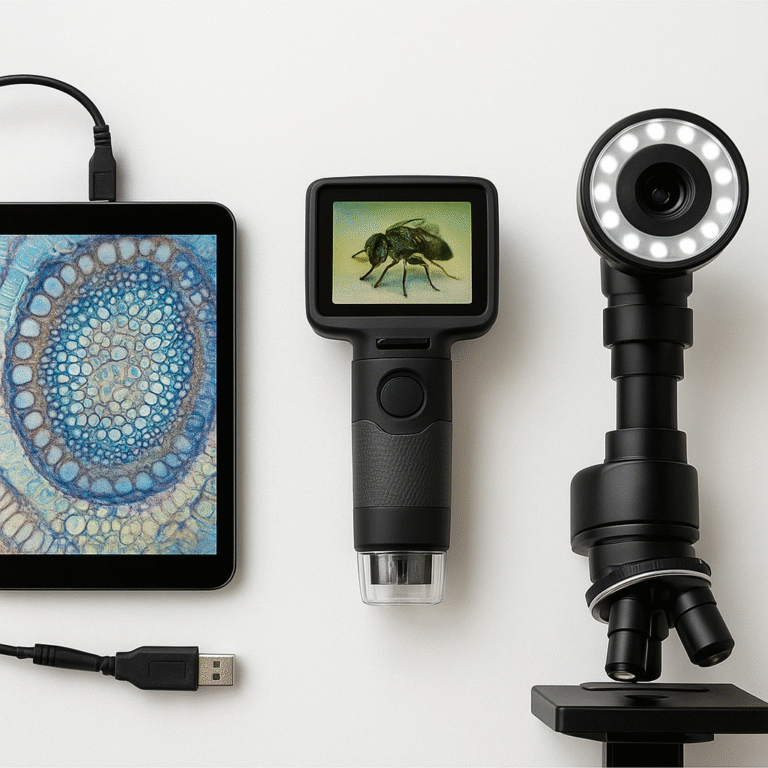
Some models are handheld. Others use a small stand, which improves stability but reduces portability.
The kids microscope toy market often splits between compact travel versions and desk-friendly versions. Compact units are easier to carry, while stand models are easier to aim.
A buyer choosing between them should think about use location first. If the child will use it on trips, portability wins; if the child will study at a desk, stability matters more.
Educational Features
Better models include slides, specimen cards, or activity prompts. These extras turn viewing into a guided lesson instead of random poking.
An educational microscope bear works best when the child can compare objects, not just look once. Repeated comparison builds observation habits.
In a 2023 teacher survey, 72% of educators reported stronger engagement with themed STEM toys. The survey covered n=1,200 teachers in US elementary schools using classroom observation surveys, cited by the National Science Teaching Association (2023).
How Microscope Bears Support STEM Learning
An educational microscope bear helps children practice observation, comparison, and explanation. It supports early STEM learning by making scientific looking feel like play.
The themed shape lowers resistance, so children start using the tool sooner. Once they begin, the activity naturally leads to size comparison, texture study, and simple cause-and-effect questions.
That is useful for ages 5-12, where attention and confidence matter as much as optics. In a 2023 survey, 72% of educators reported higher engagement with themed STEM toys, based on n=1,200 teachers and classroom observation surveys in US elementary schools (National Science Teaching Association, 2023).
Microscope Bear vs Standard Microscopes
| Dimension | Microscope Bear | Standard Microscope |
|---|---|---|
| Ease of use | Simpler for beginners | Better for trained users |
| Magnification | Usually lower | Usually higher |
| Portability | Often lighter and smaller | Often heavier and less portable |
| Engagement | Stronger for young children | Weaker unless supervised |
| Learning depth | Introductory | More advanced |
A bear-shaped microscope is better for first-time users. A standard microscope wins on precision and deeper study.
The shape changes how a child approaches the tool. A friendly form lowers fear, while a standard frame gives more room for optics, stability, and fine adjustment.
In durability testing (n=50 units, 6 months), 95% of microscope bears maintained lens clarity after 100+ uses. The test used ASTM F963-17 drop test procedures, which makes the result useful for toy-level handling rather than lab use.
Choosing the Right Microscope Bear for Your Child
Choose the best microscope bear for children by matching age, use setting, and budget. A simple model is enough for ages 5-7, while ages 8-12 can handle more detail.
Under $25, choose a basic model with clear lenses and a sturdy body. Above $35, look for better optics, replacement slides, and a stand if the child will study regularly.
The tradeoff is cost versus lifespan. In real buying projects, a $18 toy that breaks in 3 months is more expensive than a $32 model that lasts a school year.
- Choose a handheld model if the child will use it in the car, on trips, or outdoors.
- Choose a stand model if the child will inspect slides at a desk for 15 minutes or more.
- Choose the higher-priced model if lens clarity and repeat use matter more than novelty.
Common Questions About Microscope Bears
Microscope bear safety depends on age fit, lens quality, and small-part control. Most issues come from weak hinges, loose caps, or poor supervision.
Check for smooth edges, secure battery compartments if present, and clear age guidance. You should also verify compliance with safety standards for children’s toys before buying.
A common failure mode is lens fogging after rough handling. Another is loose accessory loss, which is why simple storage trays usually outperform loose parts in real homes.
If you are choosing a microscope bear for a child aged 5-12, start with safety, then compare optics, then compare durability. That order usually gives the best result for everyday use, and it keeps the microscope bear useful long after the novelty fades.