
Precision Optical Systems
High-resolution microscopes for accurate imaging and analysis.
Global Shipping
Fast and reliable worldwide delivery for all orders, on time.
Service & Warranty
Comprehensive support with dependable after-sales service.

Microscopes play a vital role across research, manufacturing, education, and quality control. This section explores real-world microscope applications, helping users understand how different microscopy solutions support inspection, analysis, and observation in various industries.
Find the best microscope app for iPhone in 2026. Compare free vs paid options, hardware needs, magnification limits, and the right pick for your use case. A microscope app for iPhone turns the phone camera into a portable magnification tool.…
What a Microscope Cover Does and Why It Matters Microscope Cover Materials Compared: Vinyl, Nylon, Neoprene, and Hard Polymer Choose vinyl if sanitation and price matter most. Choose nylon if the room is dry and airflow matters. Choose neoprene if…
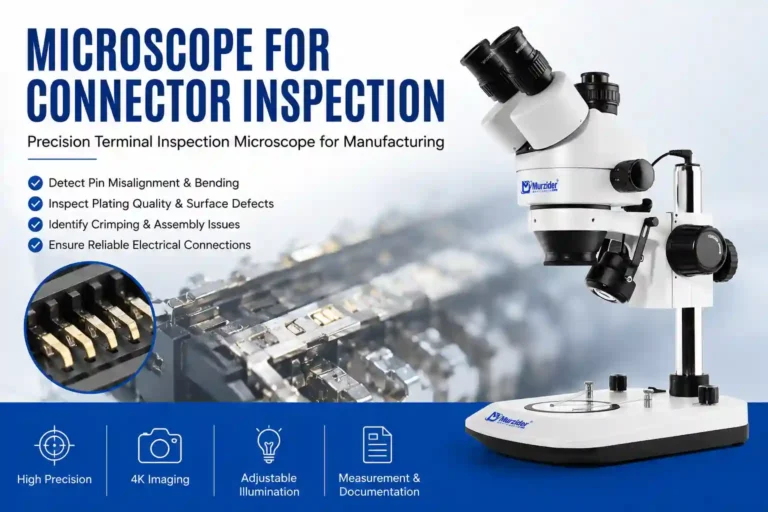
Quick Answer A connector inspection microscope is specialized industrial inspection equipment used to identify microscopic defects in connectors, terminals, and wiring harness components. It helps manufacturers detect pin misalignment, plating defects, crimping issues, burrs, and contamination that may cause electrical…
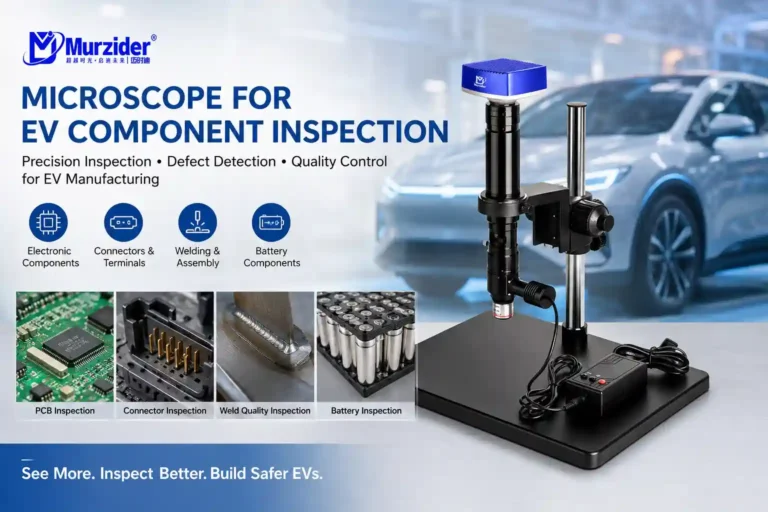
Quick Answer The rapid growth of the electric vehicle industry has significantly increased the demand for precision quality control equipment. An EV component inspection microscope has become an essential tool for manufacturers to detect tiny defects, improve production quality, and…
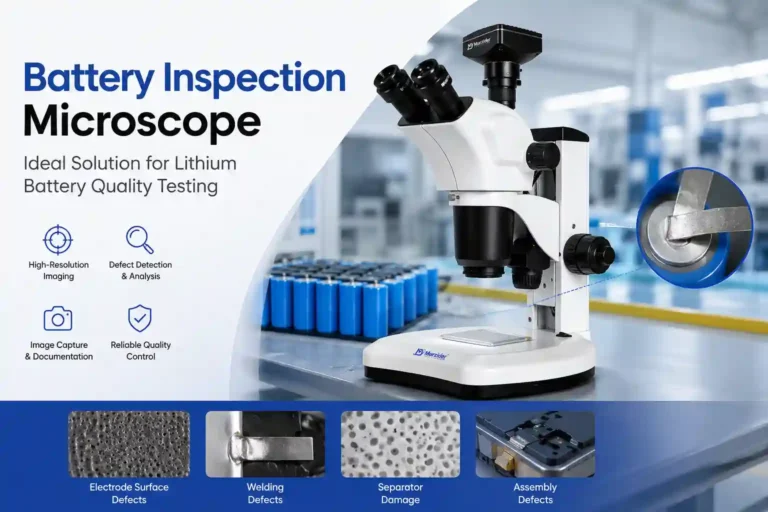
Quick Answer A battery inspection microscope is an essential quality control tool used throughout lithium battery manufacturing. It helps detect electrode defects, welding imperfections, surface contamination, assembly errors, and other microscopic issues that can affect battery safety and performance. For…
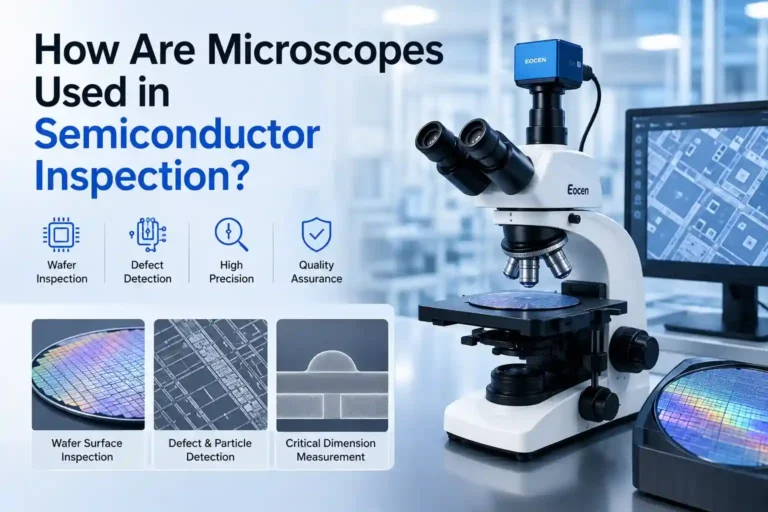
A Complete Guide to Wafer Inspection, Defect Detection, Quality Control, and Failure Analysis Modern semiconductor manufacturing depends on extreme precision. As chip designs become smaller and more complex, manufacturers must identify microscopic defects before they affect device performance, reliability, or…